The Palestinian Domain
When I gave my first exhibition, I noticed a Muslim woman stewing in the corner of the room, glaring at me with the concentrated intensity of someone mentally drafting a formal complaint. I could feel the negative energy radiating across the gallery, but I was busy, so I decided to leave her to simmer.
Eventually, a member of staff approached me. “Someone would like to speak to you.”
Of course they would.
Sure enough, it was the stewing woman.
“How can you say you were inspired by Edward Said,” she demanded, “and then say Israelis are warmly welcome here?”
For a moment, I considered standing my ground and explaining that Edward Said’s work was a critique of Orientalism, colonial power and, elsewhere, Israeli state policy—not a denunciation of Israeli people. Being inspired by Said does not logically require installing a nationality detector at the gallery door. Criticising a state and refusing to welcome everyone who happens to hold its nationality are, rather importantly, not the same thing.
I briefly contemplated explaining this distinction. Then it occurred to me that she might not actually have read Orientalism.
At which point I remembered the immortal advice of my Muslim ex: you cannot argue with a stupid person.
So I didn’t.
The punchline? This woman was not some random visitor who had wandered in looking for an argument.
She was a member of staff at the University of East London.
Perhaps the most concerning detail was that she was also an MA student studying Oriental Studies at UCL. Given that background, I would have expected the distinction between criticism of the Israeli state and hostility towards Israeli people to be fairly fundamental.
Photos of Life In Palestine (2011)

LITTLE TOWN OF BETHLEHEM
Bethlehem, Palestine, June 2011
A Palestinian farmer with his goats, poses for the photo, as we walk past.
The agricultural sector formally employs 13.4 % of the population and informally employs 90% of the population (Council for European Palestinian Relations).
Agriculture has historical and cultural significance.
Farming used to be a significant part of the Palestinian economy, contributing 28% of the GDP. Today it contributes about 5.8% (Oslo Accords, 1993).

BETHLEHEM WALL
Bethlehem, Palestine, June 2011
In 2002 Israel built a wall along the border of Israel and the occupied territories. Certain areas, including Bethlehem, are divided by concrete slabs 9 metres high at the highest point and barbed wire for about 708 kilometers (439 miles) long.
In 2004, the International Court of Justice in The Hague, made the decision to condemn this wall.
While this may seem an unlikely spot for coffee and creative inspiration, locals and tourists find a space for creativity that they most likely would not have found elsewhere.

FRESH EGGS
Hebron Market, Hebron, Palestine, June 2011
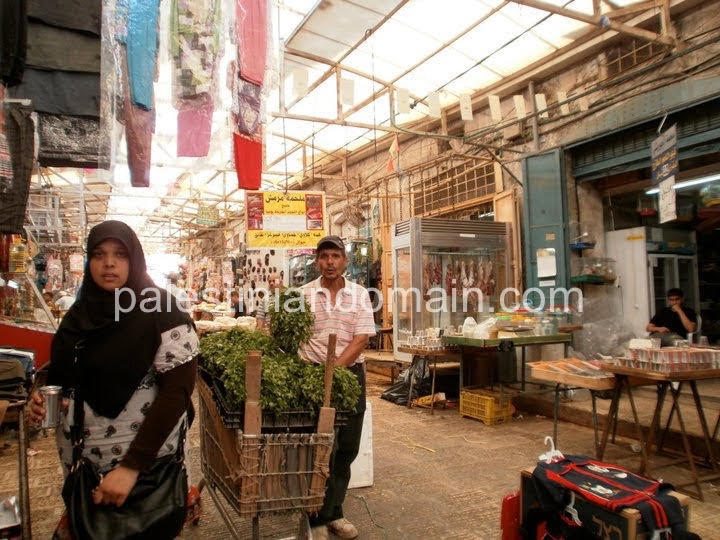
HERBS & SPICES
Hebron Market, Hebron, Palestine, June 2011

PALESTINIAN GIRL
Hebron Market, Hebron, Palestine, June 2011
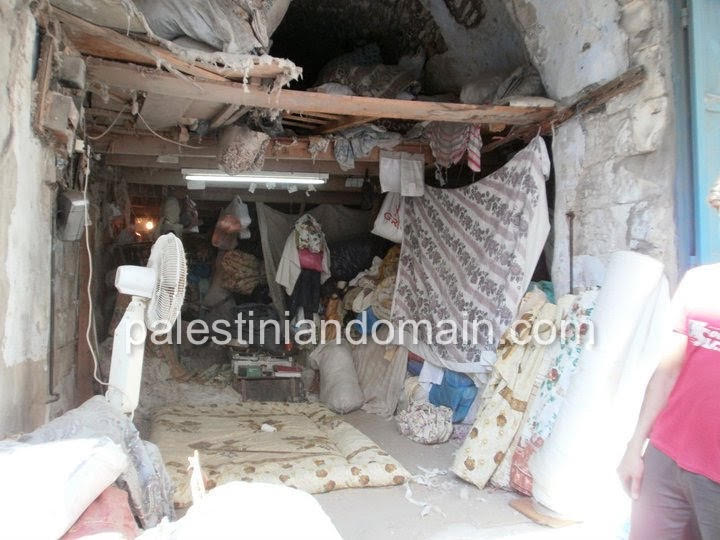
CARPET WEAVER
Hebron Market, Hebron, Palestine, June 2011

FIG TREE PHANTOM 1
Ramallah, Palestine, June 2011
A Palestinian child hides, flying a kite, behind a fig tree.
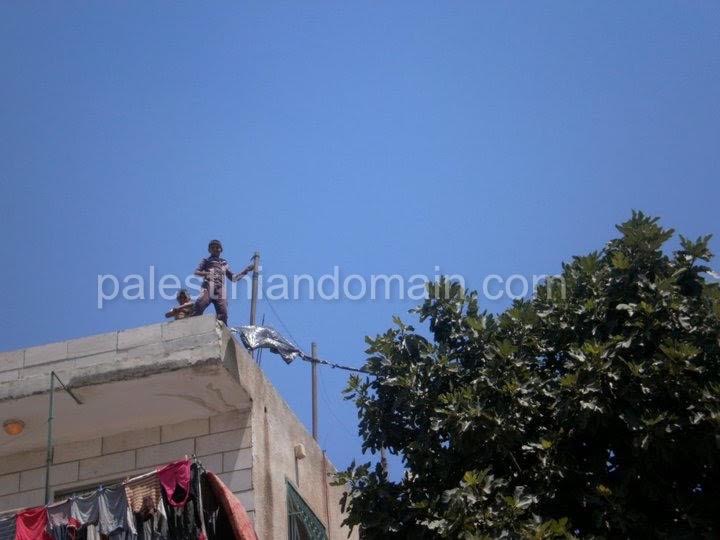
FIG TREE PHANTOM 2
Ramallah, Palestine, June 2011
After seeing me with my camera, two Palestinian children come out to say hello.
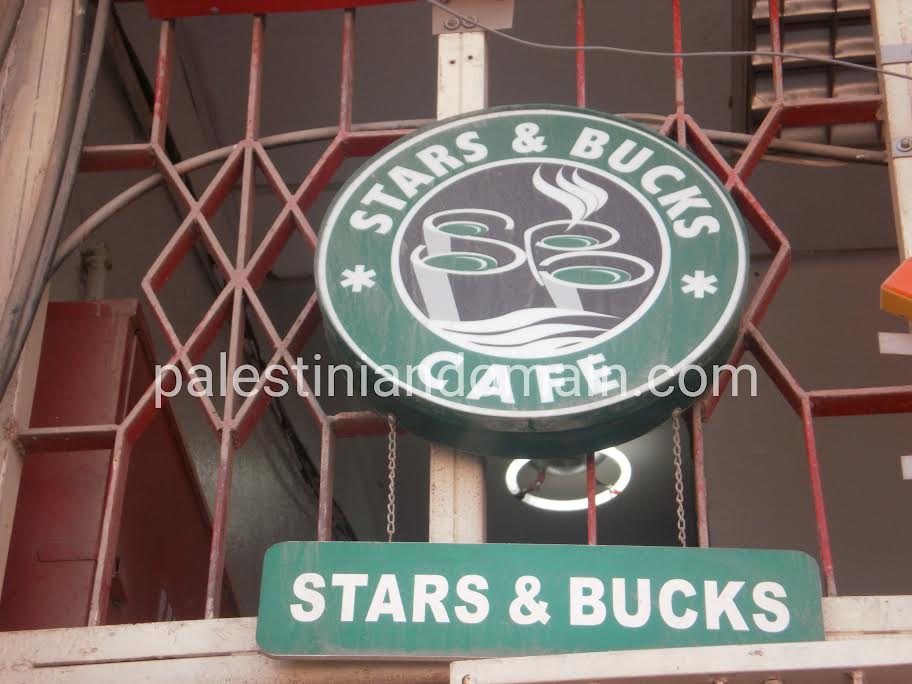
WAKE UP & SMELL THE COFFEE
Nablus, Palestine, June 2011
This is obviously a parody of a coffee giant. The cafe is actually a chain across Palestine. I have chosen this picture because it underscores the difference between Israel and occupied Palestine. Israel has franchises and brands that compete in the World’s market. Meanwhile; on the other side of the wall, in occupied Palestine, separated from the Jewish state, Palestinians can only strive for such things, yet they do so with admirable impunity.

FRIDAY AFTER PRAYERS
Ramallah, Palestine, June 2011
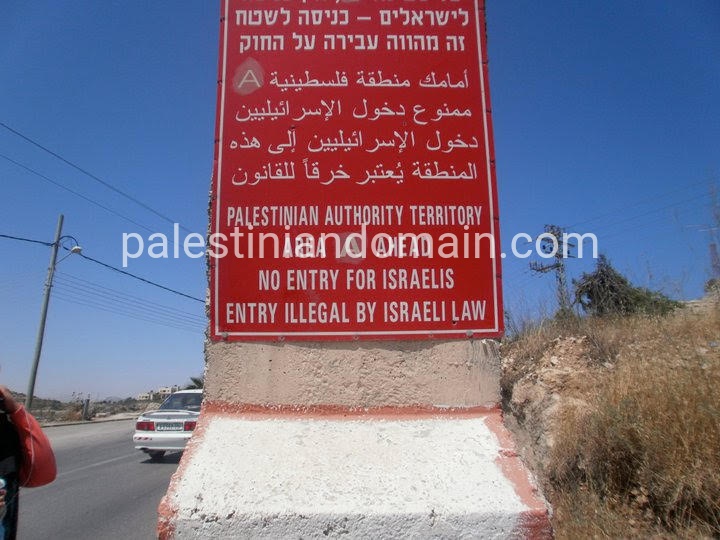
BABYLON
West Bank, Palestine, June 2011
Is South Africa’s claim that Israel has been practising apartheid against the Palestinian people for 75 years ‘outrageous’ (?)

A PALESTINIAN UNIVERSITY
West Bank, Palestine, June 2011

BEDOUIN FAMILY
Jordan Valley, Palestine, June 2011
I meet and speak with a Palestinian Bedouin family, in a temporary dwelling.

BEDOUIN CHILDREN 1
Jordan Valley, Palestine, June 2011
A Palestinian Bedouin boy hides behind his brother.

BEDOUIN CHILDREN 2
Jordan Valley, Palestine, June 2011
After seeing me with my camera, he peeks out to say hello.

